What is Osteopathy?
How Osteopathy Works With the Body
Understanding Osteopathy
Whole-body care to support movement, comfort, and wellbeing.
Osteopathy is a form of hands-on manual therapy that considers how the body’s muscles, joints, nerves, and connective tissues work together. Rather than focusing only on the area of discomfort, osteopaths assess how the whole body moves and functions to understand what may be contributing to your symptoms.
At RG Osteopathy, treatment is tailored to each person’s unique needs, goals, and preferences.
Techniques Tailored to the Individual
Evidence-Informed Techniques Used in Osteopathy
What to Expect at Your Appointment
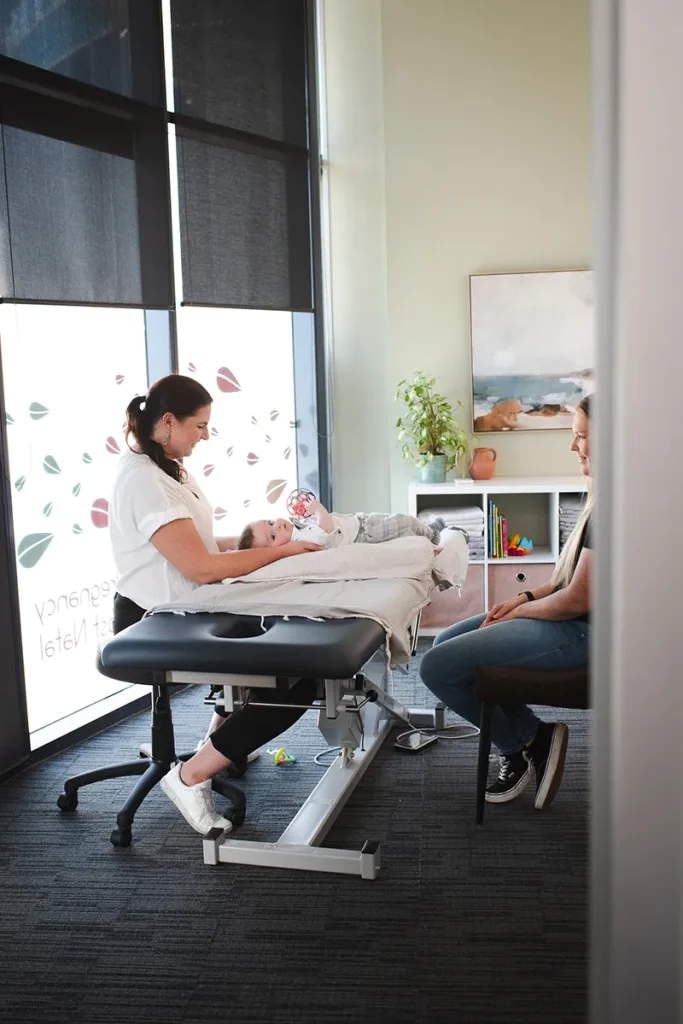
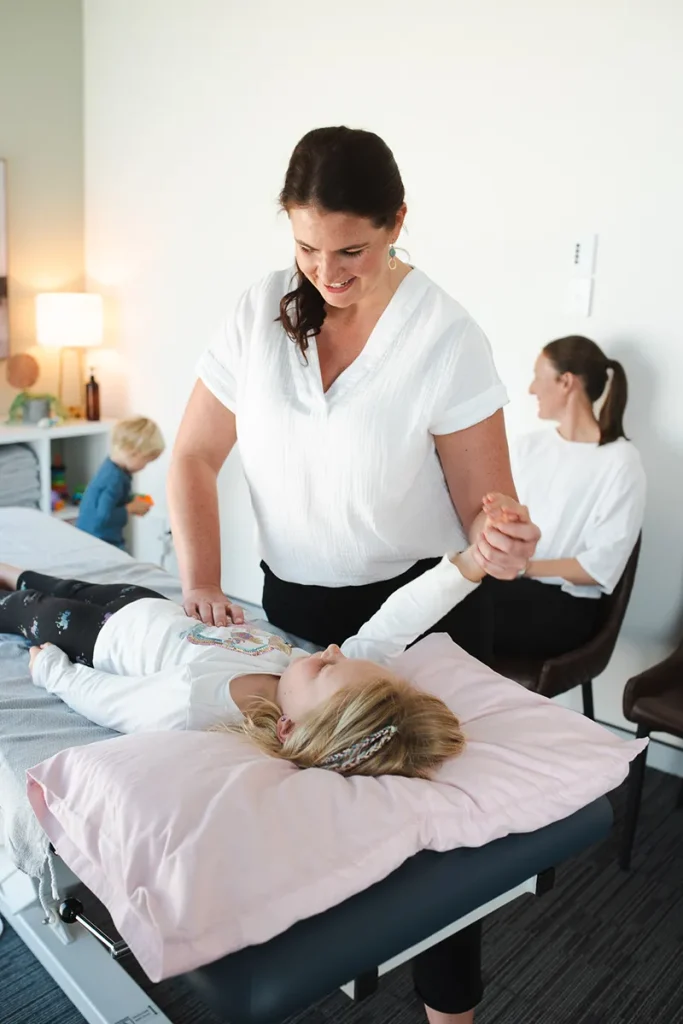
We aim to provide a welcoming, family-friendly environment where you feel listened to and genuinely cared for. Your consultation begins with a thorough medical history, followed by a physical assessment to help us understand your movement, posture, and any areas of tension or pain.
Together, we will discuss your goals and develop a treatment plan that aligns with your needs, preferences, and comfort level.
Osteopathic treatment includes a broad range of techniques that are selected based on the patient’s age, comfort level and individual needs.
Treatment may include techniques such as:
- Soft tissue release techniques
- Myofascial techniques (muscles, fascia, and surrounding connective tissues)
- Stretching and gentle lengthening techniques
- Joint mobilisation and articulation
- Balanced ligamentous tension techniques
- Visceral techniques (gentle techniques for the connective tissues of the abdomen and surrounding regions)
- Cranial osteopathy / cranial-sacral techniques
- Movement guidance or tailored exercises
- Postural, ergonomic or lifestyle recommendations
As an evidence-informed allied health professionals osteopaths undergo extensive training to ensure treatments are appropriate and tailored to the patient. At RG Osteopathy, techniques are always adapted with care to support comfort throughout every appointment.
Understanding Osteopathic Support for Common Conditions
Why People Seek Osteopathic Care
People may seek osteopathic support for a wide range of musculoskeletal concerns, including (but not limited to):
- Neck or back pain
- Pelvic or sacroiliac joint (SIJ) pain
- Muscle tension or stiffness
- Joint mobility concerns
- Postural strain
- Pregnancy or postnatal-related changes
- Headaches
- Repetitive strain or overuse issues
- Jaw (TMJ) tension
- Shoulder, elbow, wrist, hip, knee, ankle or foot discomfort
- Sporting or movement-related strain
- Chronic or persistent musculoskeletal pain
- General mobility or wellbeing
- Scar-tissue related tension
- Babies: age-appropriate care for early movement, posture and position preferences.
- Children & Teens: Support for growing bodies, school posture, sport demands and everyday aches.
If you’re seeking a Central Coast osteopath who offers gentle, evidence-informed care, RG Osteopathy is here to support your wellbeing.
Start your journey today...
Book a consult

How Osteopathy Works
Osteopathy uses hands-on techniques to support movement, ease areas of strain or tension, and improve mobility. Osteopaths consider how the body’s structure influences the way it functions, paying attention to the interaction between muscles, joints, fascia, circulation, and the nervous system. By identifying patterns of strain, stiffness or restriction, osteopathy aims to restore comfort and improve mobility.
Many people seek osteopathic care for general aches, pregnancy-related discomfort, postural tension, or musculoskeletal issues affecting daily life. To learn more about the principles of osteopathy, resources such as Osteopathy Australia may provide helpful information.
Our Treatment Approach
At Rachel Gordge Osteopathy, we take the time to understand your whole body, your lifestyle, and what may be contributing to your symptoms. Our aim is to address the cause of the issue not just to mask symptoms. Treatment is always individualised, evidence-informed, and centred on your goals.
We focus on:
- Supporting healthy movement
- Reducing pain, strain and tension
- Improving comfort and mobility
- Helping you understand your body
- Providing strategies for long-term wellbeing
Every appointment includes personalised advice or exercises to help support your recovery between sessions.
If you’re seeking a Central Coast osteopath who offers gentle, evidence-informed care, RG Osteopathy is here to support your wellbeing.
How Osteopathy Supports Everyday Concerns
Common Conditions
Many people seek osteopathic care to help manage everyday musculoskeletal discomfort. By assessing how the body moves and identifying areas of strain, osteopathy aims to gently support balance, mobility and overall comfort across a range of common presentations.
Neck & Shoulder Tension
Gentle techniques may help ease tightness related to posture, stress or muscle strain.
Pelvic or Hip Tightness
Osteopathy may help support movement and reduce strain impacting the pelvis or hips.
Postural Strain
Treatment aims to address restrictions caused by long periods of sitting, standing or repetitive movement.
Lower Back Discomfort
Treatment may support mobility and help address tension contributing to everyday back discomfort.
Headache & Jaw Tension
Gentle hands-on techniques may help ease tension around the jaw, neck and head.
General Muscular Aches
Techniques aim to improve mobility, circulation and overall comfort in affected areas.
Warm | Compassionate | Gentle | Relaxing |
Our Services
Osteopathy
Comprehensive manual therapy to relieve tension, improve mobility, and support overall wellbeing.
Osteopathy for Babies/toddlers
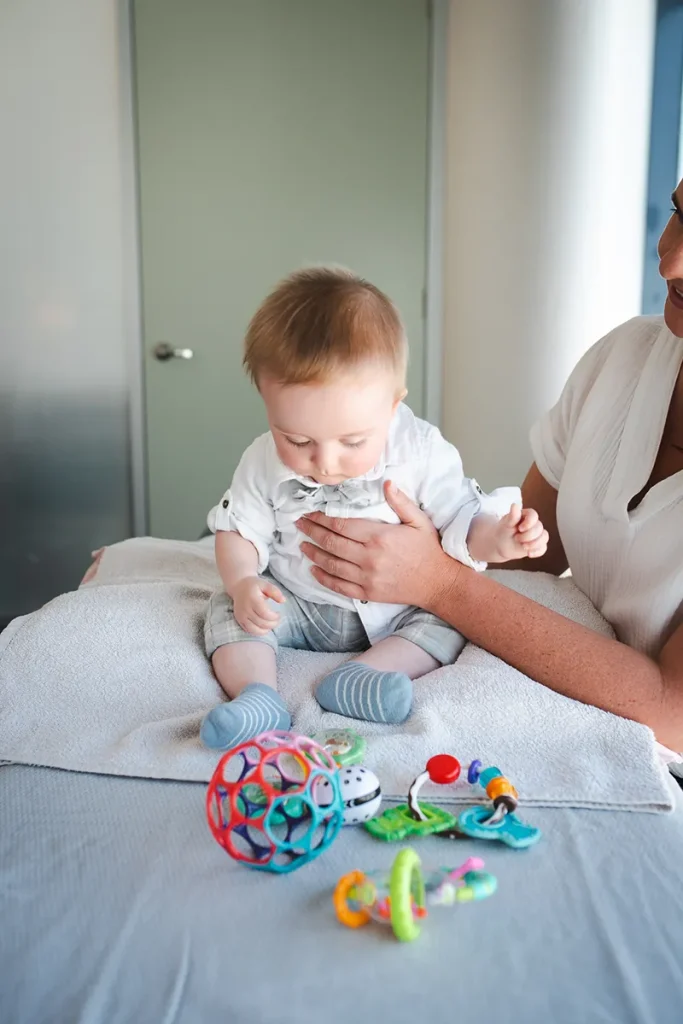
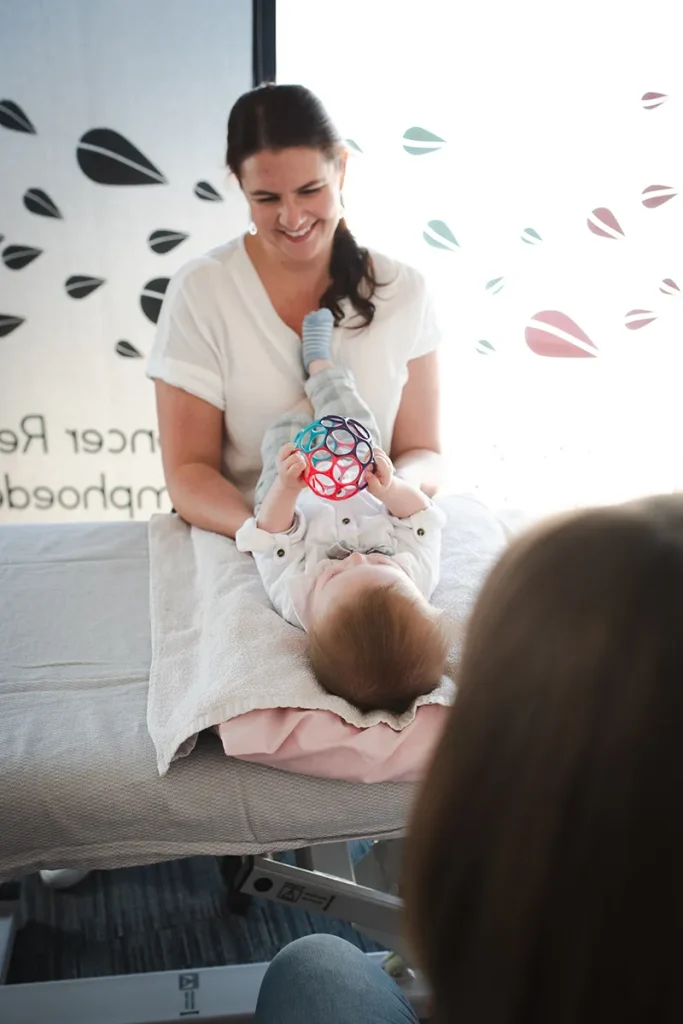
Gentle techniques to help release physical tension, address movement concerns, promote body symmetry and encourage optimal physical function.
Osteopathy for Children/Teens
Encouraging healthy growth and movement with supportive, age-appropriate treatment.
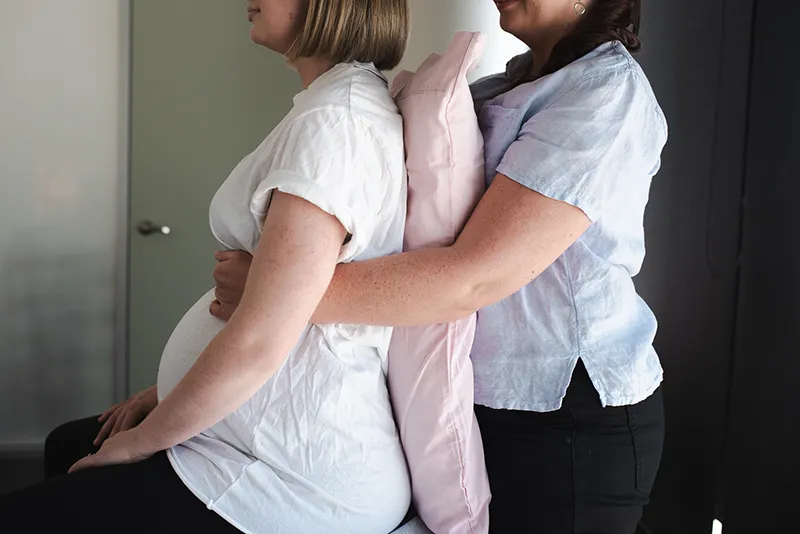
Pregnancy Osteopath
Individualised support across all trimesters aimed at increasing movement, reducing pain and helping prepare your body for labour and birth.
Women’s Osteopath
Tailored Osteopathic treatment for women throughout every stage of life.
Cranial Osteopath
Subtle, relaxing therapy promoting calm and balance through gentle light-touch cranial techniques.
Need some help?
Frequently Asked Questions
How long are appointments?
Initial consultations approximately 60 minutes
Return consultations approximately 40 minutes
What are your appointment fees?
Initial Consultation: $150
Return Consultation: $130
These fees cover your consultation time, assessment, hands-on treatment, and any guidance or exercises provided during your session.
If you have private health insurance with osteopathy extras, we can process your rebate in the clinic at the time of your appointment (depending on your fund and level of cover)
Do you treat babies and children? What ages do you treat?
Yes. Rachel has extensive experience working with infants, children, and teenagers.
We welcome people of all ages at RG Osteopathy. Babies can attend from newborn stage, and we continue to support children as they grow through toddlerhood, early childhood, school-aged years, and the teenage years.
We do not use any cracking techniques or sudden movements when treating babies or children. All treatment is very gentle and carefully adjusted to suit their age, stage of development, comfort, and individual needs.
Do I need a referral to see an osteopath?
No referral is required. However, referrals from GPs or other health professionals are welcome.
Do you accept GP Management Plans under Medicare?
Yes we accept Medicare Chronic Disease Management (CDM) Plans, previously known as Enhanced Primary Care (EPC) Plans.
These plans are arranged through your GP. If you have been referred under a CDM plan, please bring the referral paperwork with you so we can process your Medicare rebate.
At Rachel Gordge Osteopathy, a gap fee applies. Full payment is made at the time of your appointment, and we process the Medicare rebate in clinic.
Do I need to remove my clothing for treatment?
No you do not need to take your clothes off for osteopathic treatment.
Most sessions can be completed with you fully clothed in comfortable, loose-fitting clothing that allows for movement.
If any specific area needs to be seen more clearly Rachel will always discuss this with you first and only proceed with your full consent. Towels can also be used for coverage if needed.
You are welcome to wear whatever helps you feel most comfortable and relaxed.
What is the difference between Osteopathy and Physiotherapy?
Both treat musculoskeletal issues, but osteopathy takes a whole-body approach, focusing on how the body’s structure affects its function.